
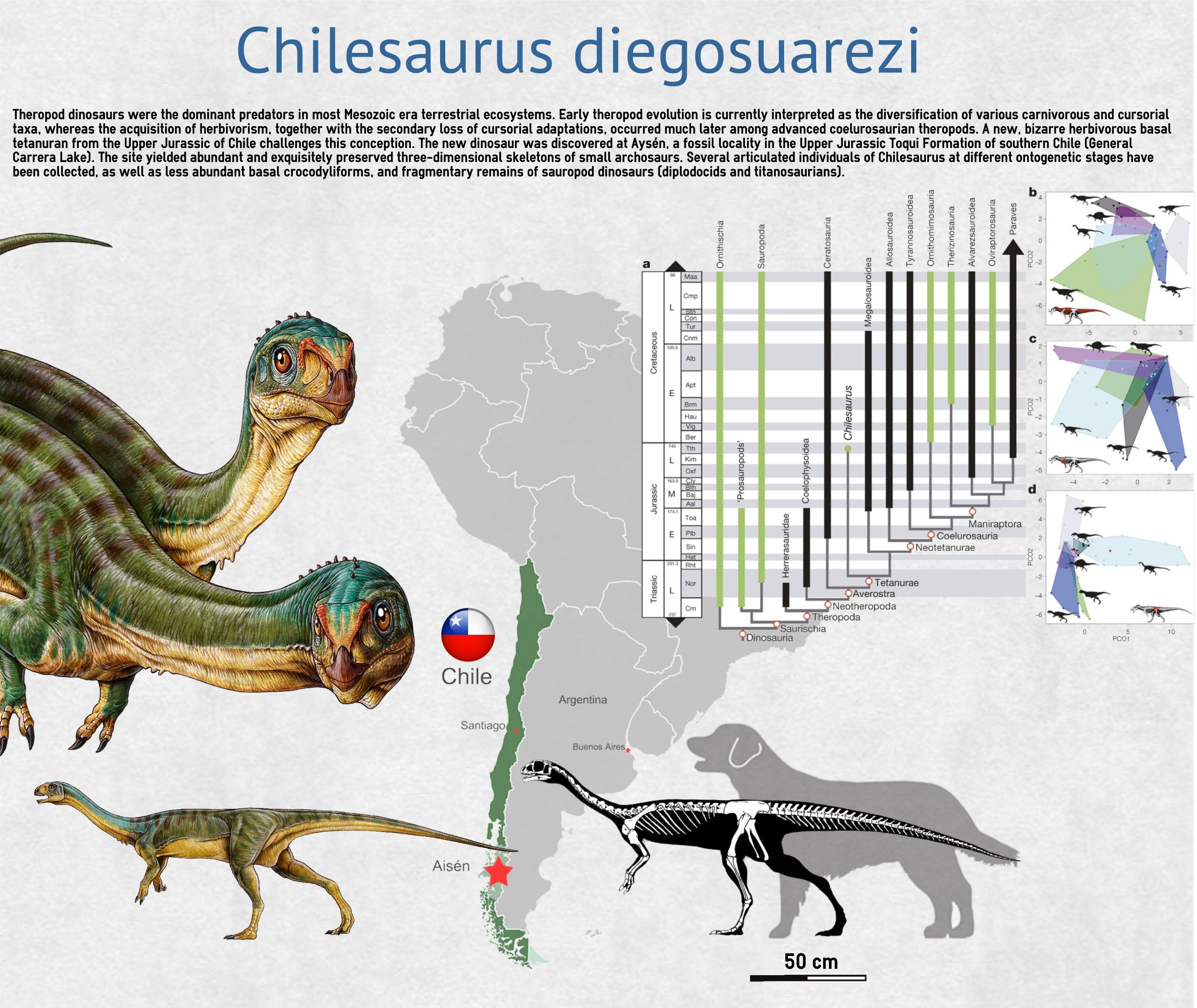
Dinosaurs
Chilesaurus diegosuarezi: The Platypus of Dinosaurs
Discover Chilesaurus diegosuarezi, the platypus of dinosaurs. Explore its unique anatomy, herbivorous diet, evolutionary significance, and impact on dinosaur classification.
Discover strange facts about extinct animals: dinosaurs, Ice Age megafauna, prehistoric marine reptiles, recently lost species, and the great extinctions that
Earth has experienced five major mass extinctions over the past 540 million years, each reshaping the trajectory of life on this planet. From the Great Dying at the end of the Permian period, which eliminated roughly 96% of marine species, to the asteroid impact that ended the age of dinosaurs 66 million years ago, these catastrophic events have repeatedly rewritten the rules of survival.
Understanding what drove past extinctions gives us essential perspective on the biodiversity challenges we face today.
Paleontology continues to transform our understanding of prehistoric life at a remarkable pace. New fossil discoveries, advanced imaging techniques, and molecular analysis are revealing details about extinct animals that would have seemed impossible just decades ago, from the true colors of feathered dinosaurs to the social behaviors of ice age megafauna.
Every year, hundreds of new species are described from the fossil record, filling gaps in the story of life and challenging long-held assumptions about evolution, adaptation, and extinction.
The study of extinct animals is not purely academic. The patterns of past extinctions carry urgent lessons for conservation. Species lost in recent centuries, from the dodo to the thylacine to the Bramble Cay melomys, remind us that extinction is not just ancient history.
By examining what made species vulnerable in the past, scientists can better identify which living species are most at risk and what interventions might prevent further losses in an era of rapid environmental change.
Discover strange facts about dinosaurs: T. Rex, Velociraptor, Triceratops, Spinosaurus, sauropods, ceratopsians, and the giant reptiles that dominated Earth for 165 million years.
8 articlesDiscover strange facts about Ice Age megafauna: woolly mammoths, saber-tooth cats, dire wolves, cave bears, woolly rhinos, and the giants of the last glacial period.
6 articlesDiscover strange facts about prehistoric megafauna: giant ground sloths, terror birds, glyptodonts, Megatherium, and the enormous land animals that vanished from the Americas.
13 articlesDiscover strange facts about recently extinct species: dodos, thylacines, passenger pigeons, Steller's sea cows, great auks, and the animals lost to humans within recorded history.
6 articlesDiscover strange facts about mass extinctions: the Ordovician, Devonian, Permian, Triassic, and Cretaceous-Paleogene events that reshaped life on Earth five times over.
5 articlesDiscover strange facts about fossils: pterodactyls, trilobites, Tiktaalik, ammonites, and the petrified remains that reveal 540 million years of evolutionary history.
5 articlesDiscover strange facts about evolution: Tiktaalik's transition to land, Opabinia's five eyes, Charles Darwin's finches, and the natural selection events that built every living species.
5 articlesDiscover strange facts about prehistoric birds: terror birds, elephant birds, moas, Argentavis, Archaeopteryx, and the giant feathered predators of the Cenozoic.
5 articlesDiscover strange facts about prehistoric marine life: Megalodon, mosasaurs, plesiosaurs, ichthyosaurs, Dunkleosteus, and the ocean monsters that ruled before whales existed.
5 articlesDiscover strange facts about prehistoric insects: Meganeura's 70 cm wingspan, Pulmonoscorpius' giant scorpions, and the oxygen-fueled bugs of the Carboniferous swamps.
5 articlesDiscover Chilesaurus diegosuarezi, the platypus of dinosaurs. Explore its unique anatomy, herbivorous diet, evolutionary significance, and impact on dinosaur classification.
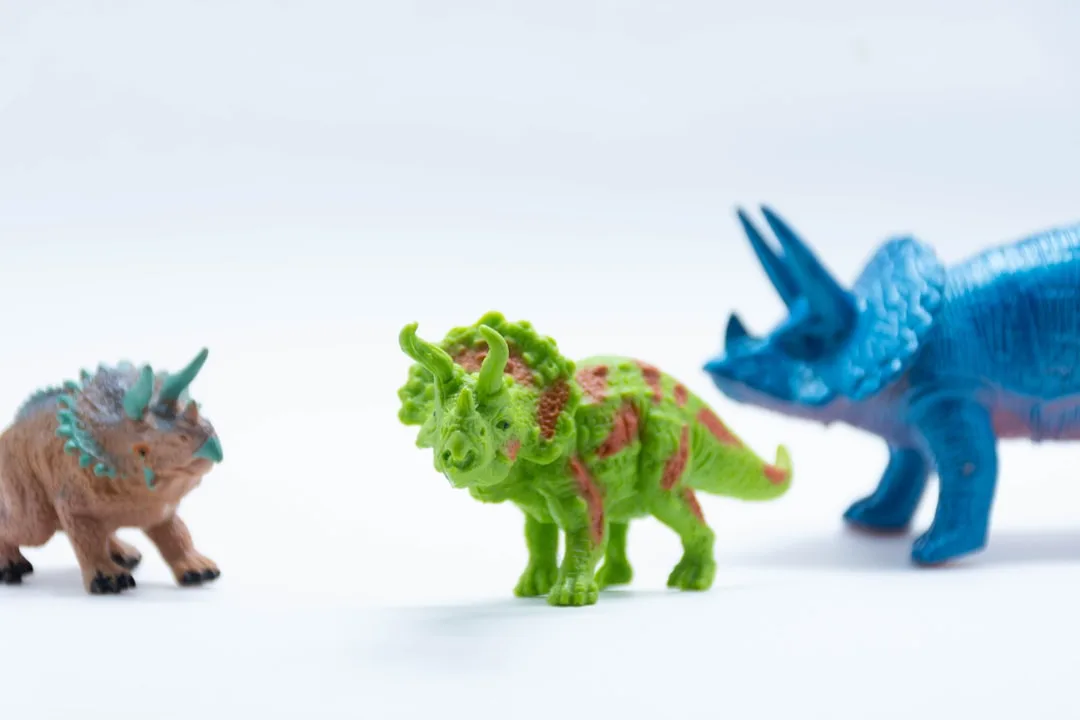
Expert-written guide to dinosaurs covering T. rex, Argentinosaurus, Velociraptor, Spinosaurus, and more. Explore the Mesozoic era, the dinosaur-bird connection, warm-blooded debate, and the K-Pg extinction event that ended their reign.
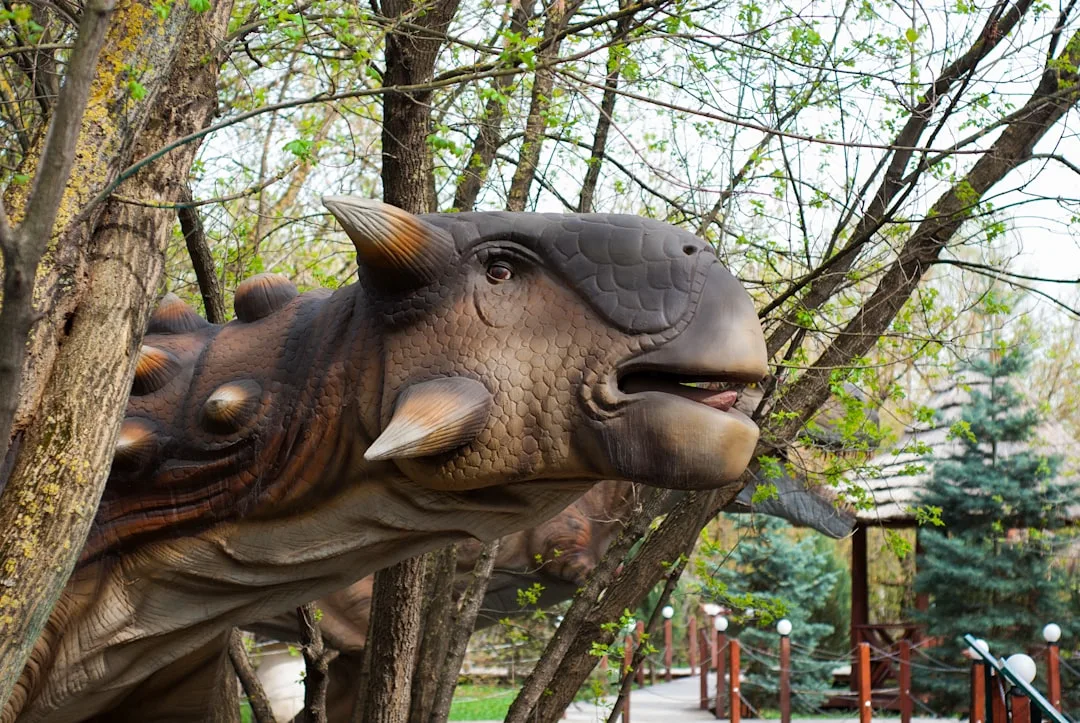
How big was Tyrannosaurus rex really? Science-based answers on size, weight, bite force, speed, and what recent fossil discoveries reveal about the king of dinosaurs.
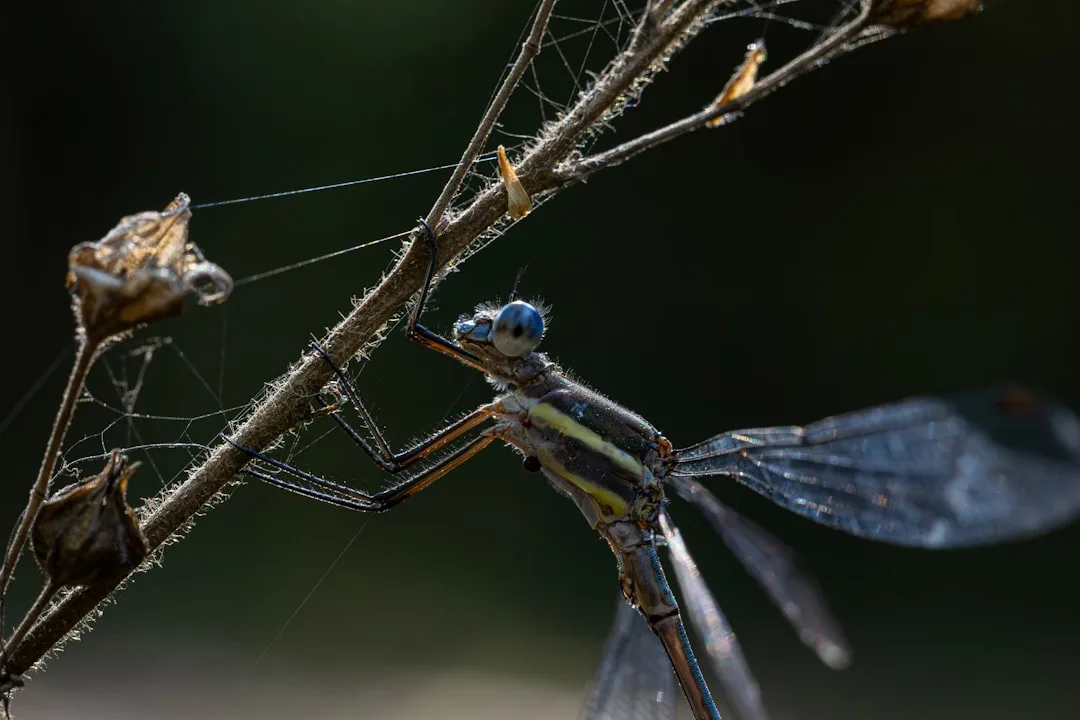
Explore how evolution shapes life on Earth through natural selection, sexual selection, convergent evolution, co-evolution, and adaptive radiation. Covers Darwin, living fossils, punctuated equilibrium, and evolution observed in real time.
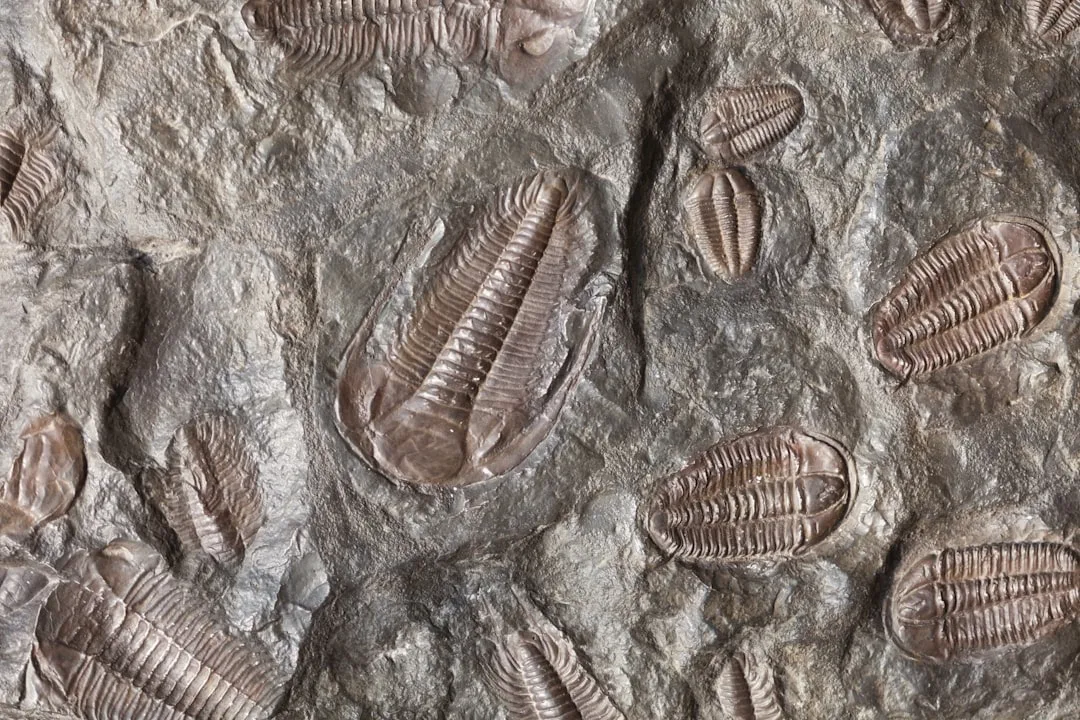
Discover how fossils preserve the story of ancient life, from amber-trapped insects to transitional species. Learn about fossilization, dating methods, Mary Anning, and digital paleontology.
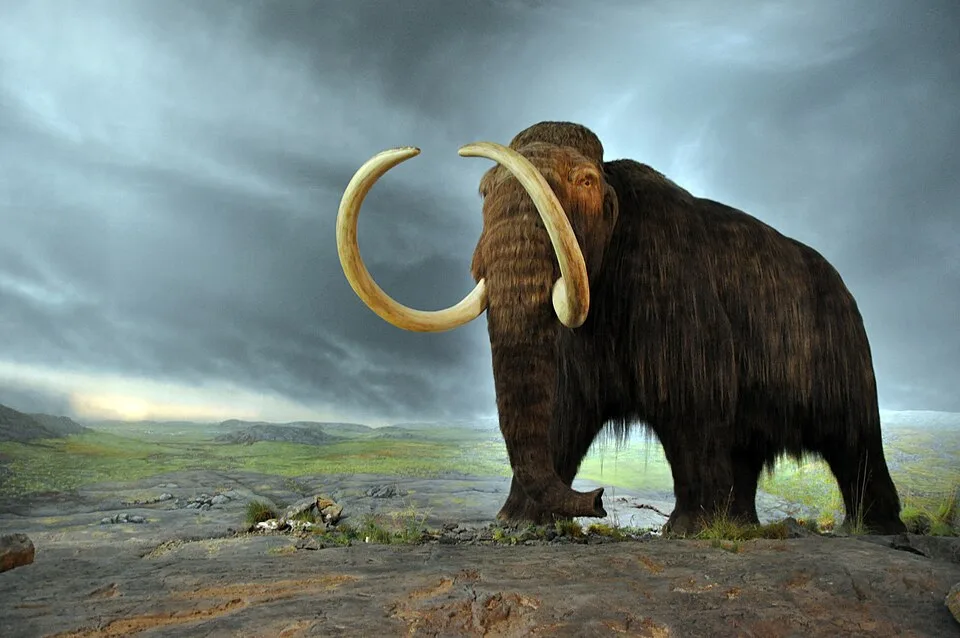
Explore the colossal creatures of the Pleistocene Ice Age - woolly mammoths, saber-toothed cats, giant ground sloths, dire wolves, and more. Expert-written guide covering adaptations, discoveries, extinction theories, and de-extinction science.
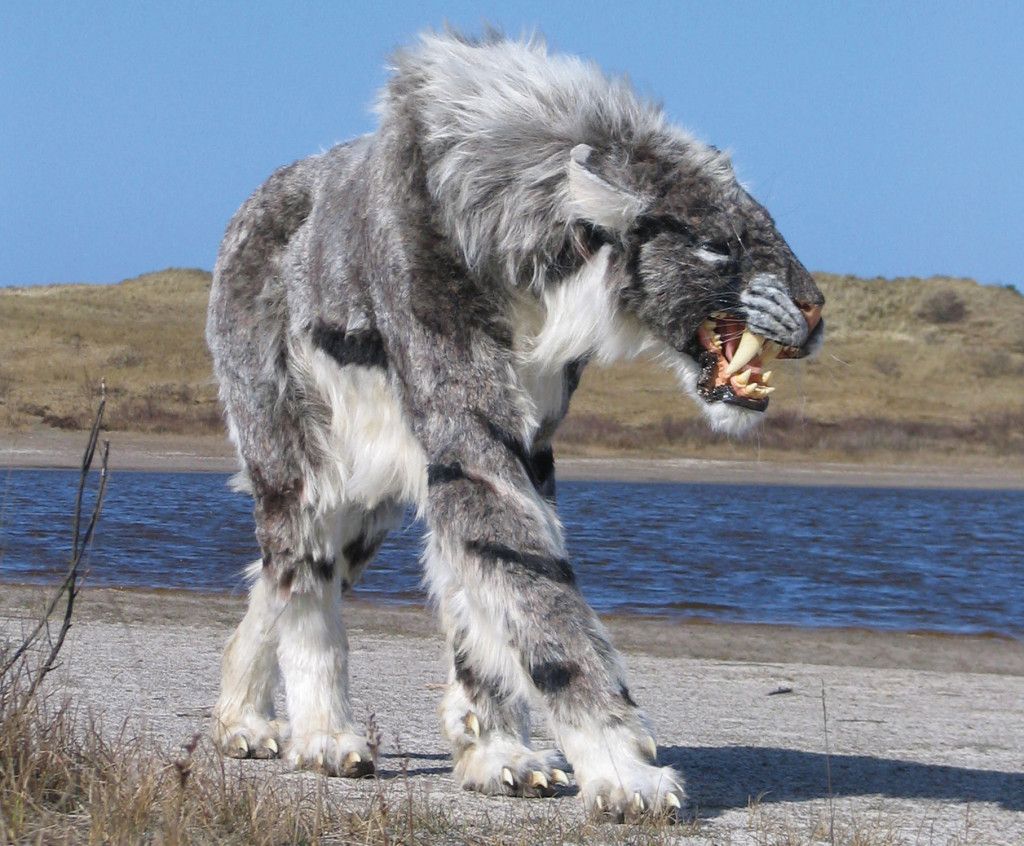
Saber-tooth cats were not tigers. Expert guide to Smilodon's real hunting method, why the fangs evolved, and how this Ice Age apex predator actually lived.
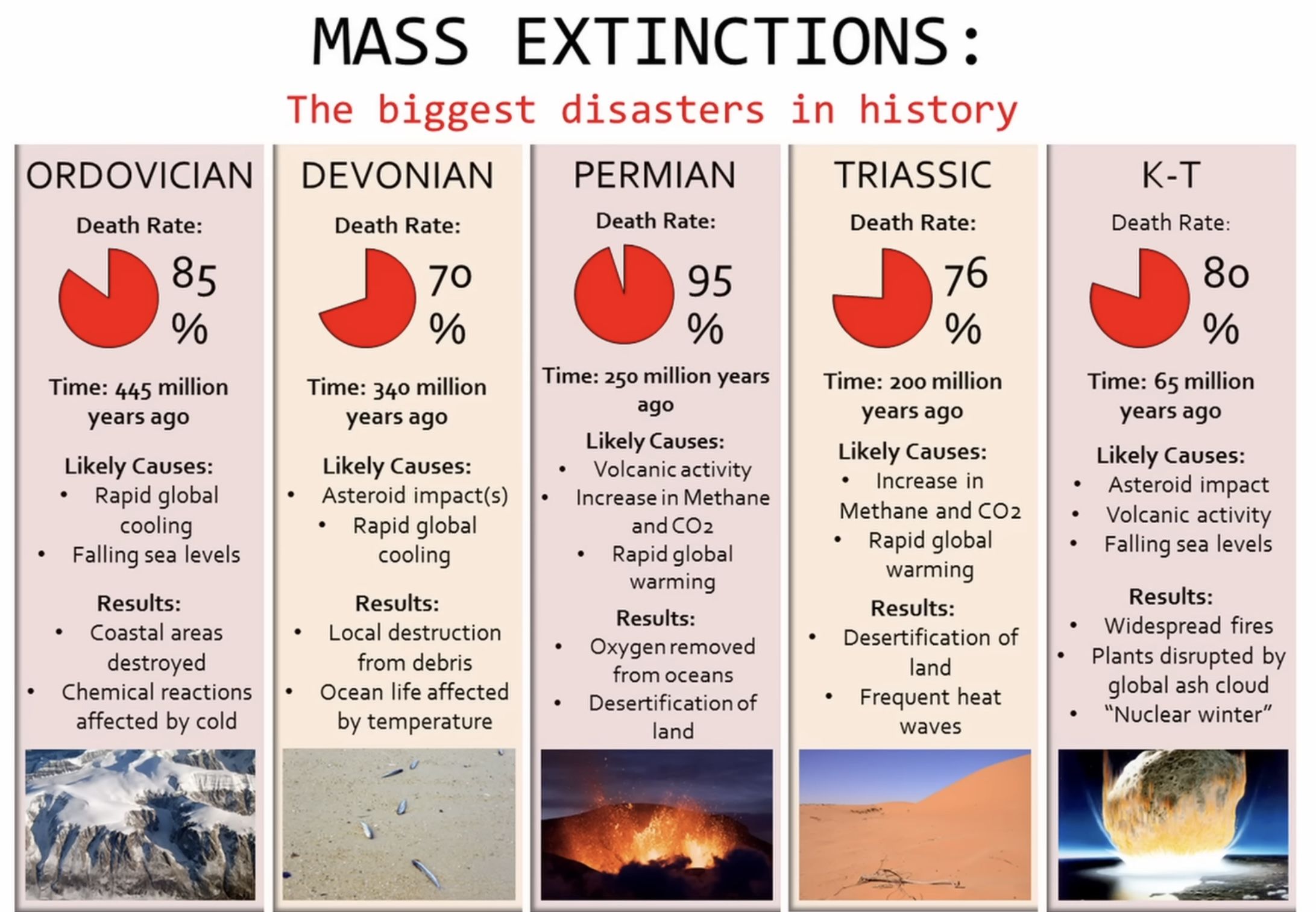
Expert-written guide to the Big Five mass extinctions, from the Ordovician ice age to the Chicxulub asteroid. Covers causes, recovery timelines, survivor traits, and the current Sixth Extinction debate with specific data and peer-reviewed sources.
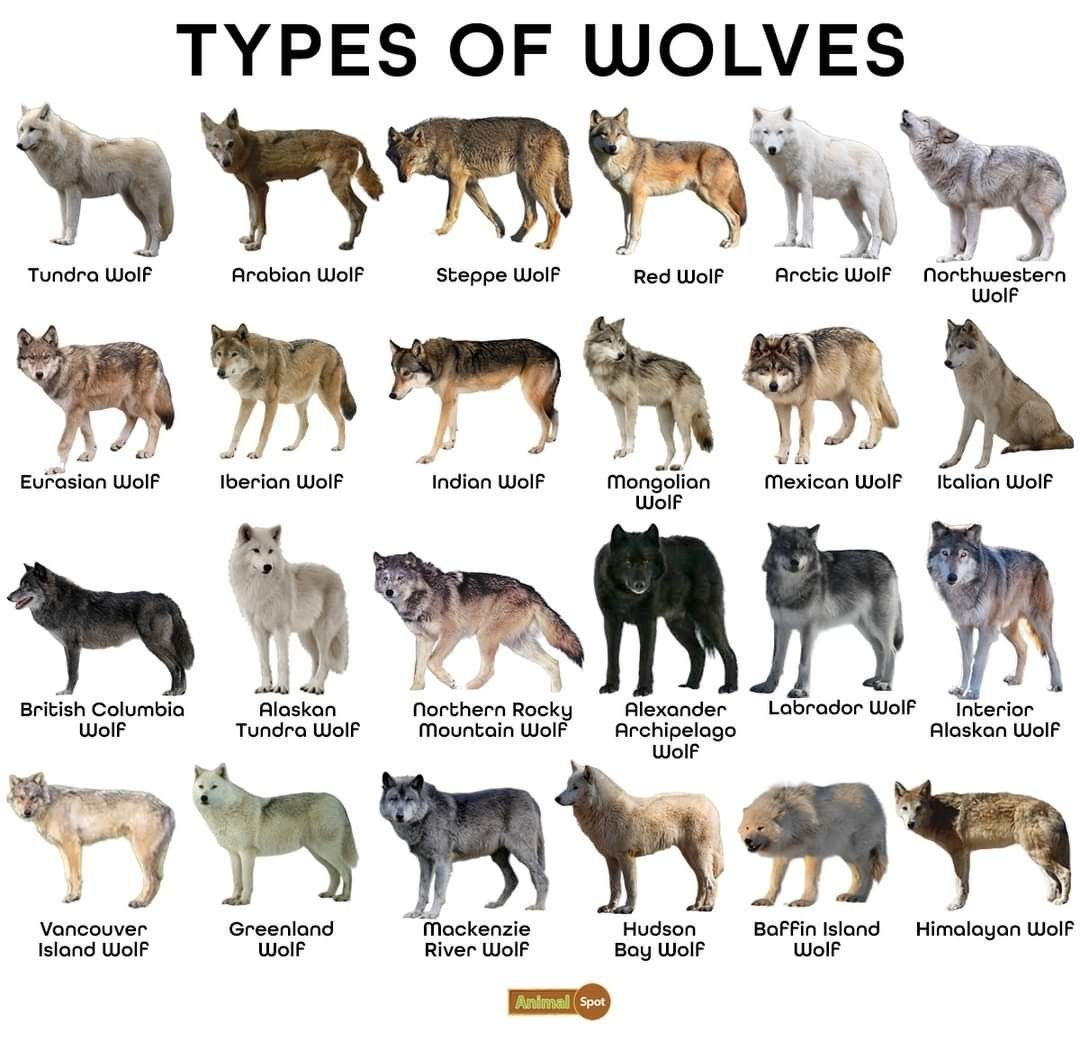
Dire wolves weren't closely related to modern wolves despite their name. Expert guide to these Ice Age pack hunters and their surprising evolutionary history.
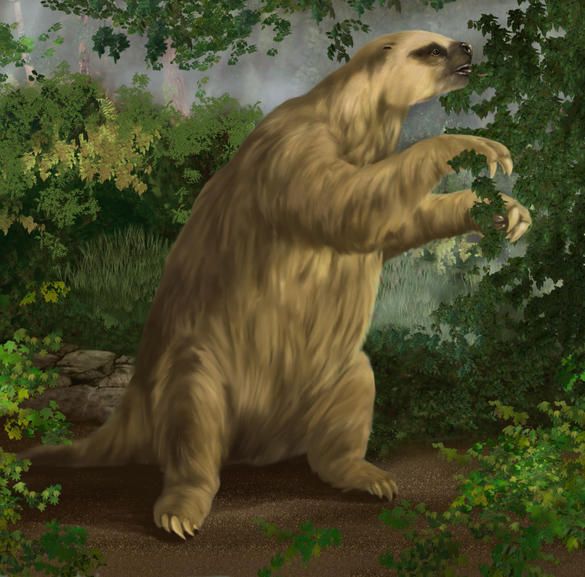
Giant ground sloths reached 4 tons and 6 meters. Expert guide to these massive extinct sloths that lived with early humans until 10,000 years ago.
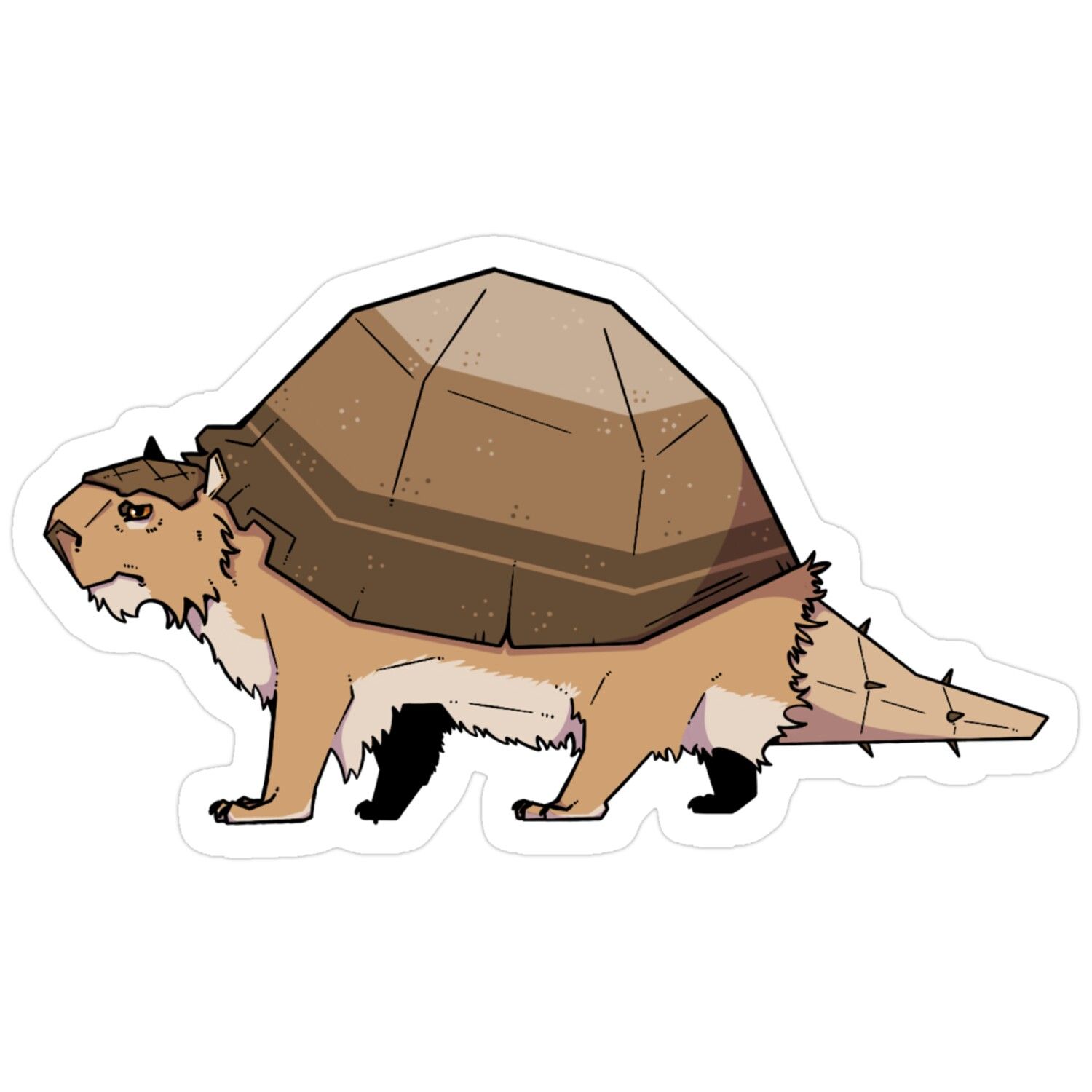
Glyptodons were armored mammals the size of cars with clubbed tails. Expert guide to these 2-ton relatives of modern armadillos.
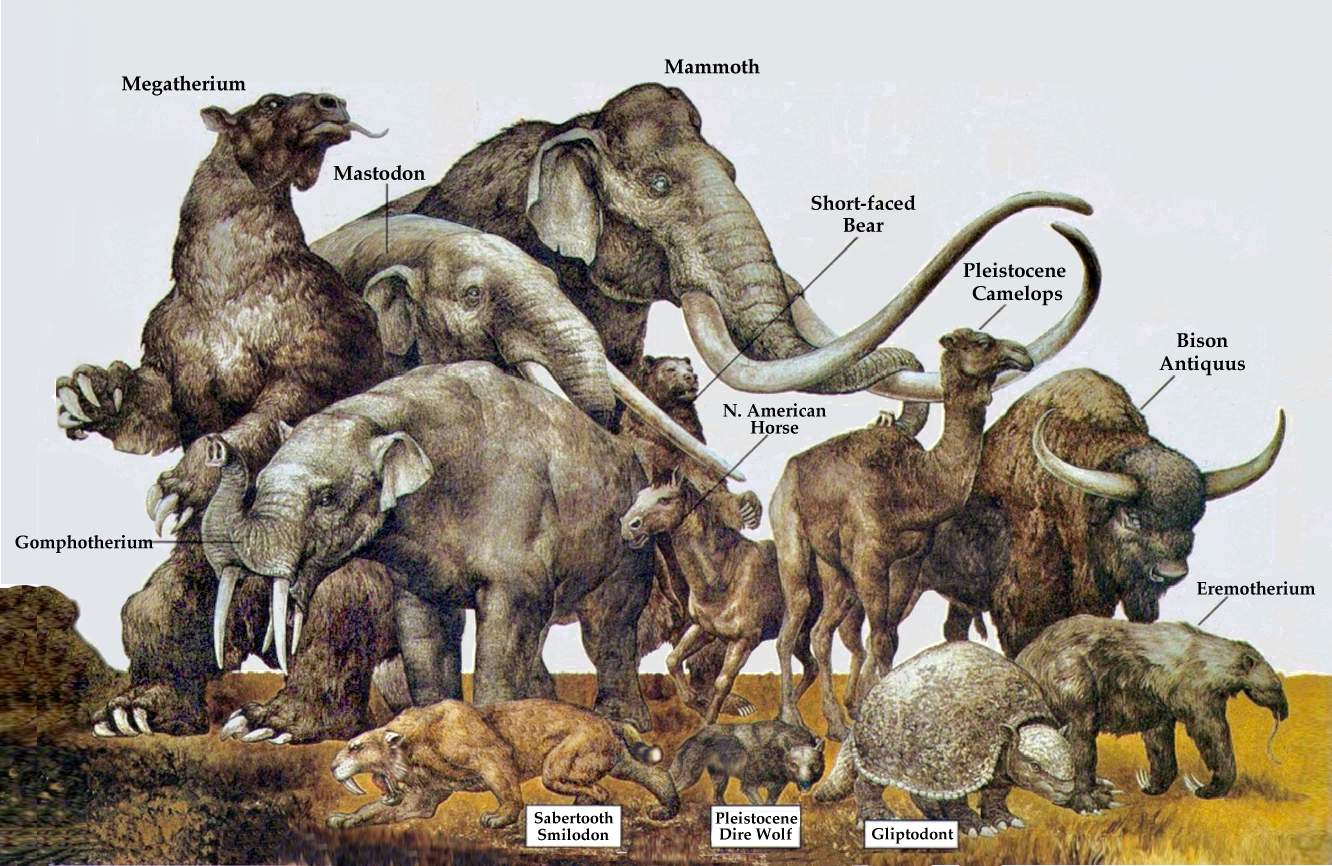
Expert-written guide exploring why Earth's largest animals vanished from every continent after human arrival. Covers the overkill hypothesis, climate change debate, continental case studies from Australia to New Zealand, and modern rewilding efforts including Pleistocene Park.
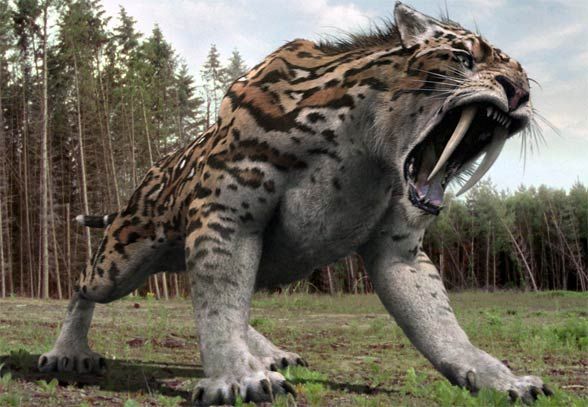
Saber-toothed tigers had 18cm canines and hunted large Ice Age prey in packs. Expert guide to Smilodon and why these iconic predators went extinct.

Short-faced bears stood 3.4 meters tall, the largest carnivore to roam the Americas. Expert guide to Arctodus simus, the Ice Age bear giant.
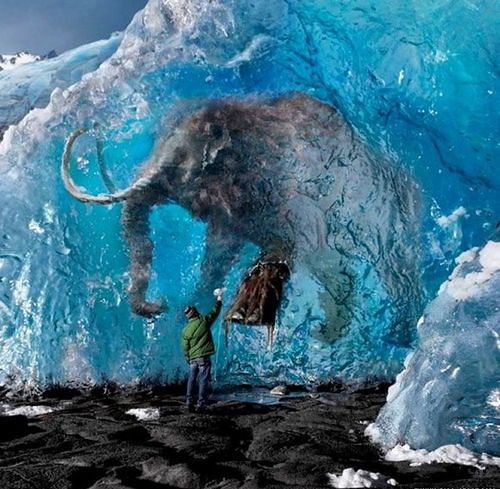
Woolly mammoths survived on Wrangel Island until 4,000 years ago. Expert guide to why mammoths went extinct, who killed them, and de-extinction science.
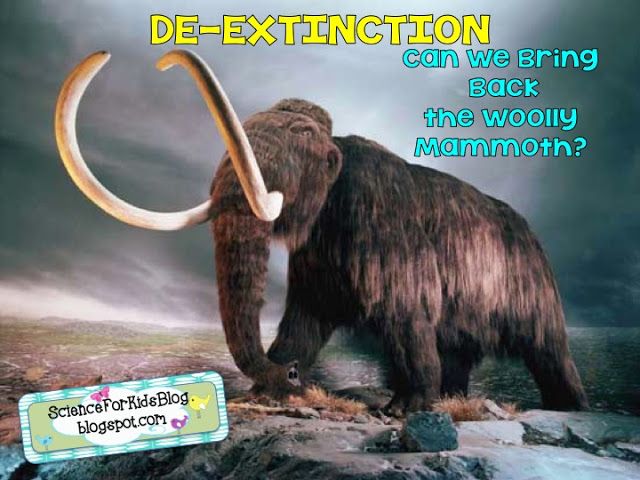
Comprehensive expert guide to the woolly mammoth covering anatomy, distribution, extinction causes, frozen specimens, and the current science and ethics of de-extinction through Colossal Biosciences and related gene-editing programs.
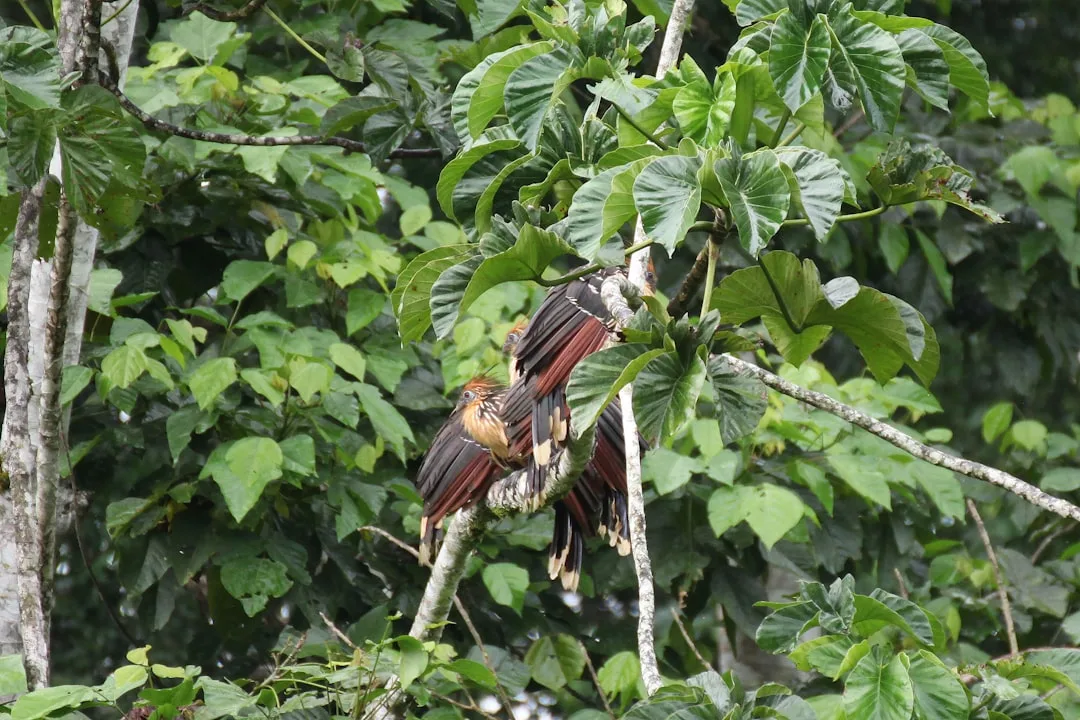
Expert-written guide to prehistoric birds covering terror birds, elephant birds, moas, Archaeopteryx, Argentavis, the dodo, great auk, and Carolina parakeet. Explore the largest, tallest, and most fearsome birds that ever lived.

Expert-written guide to prehistoric insects covering Meganeura, Arthropleura, giant cockroaches, and griffinflies. Explore the oxygen-gigantism hypothesis, Carboniferous period insect giants, amber preservation, and what ancient insects reveal about modern biodiversity loss.
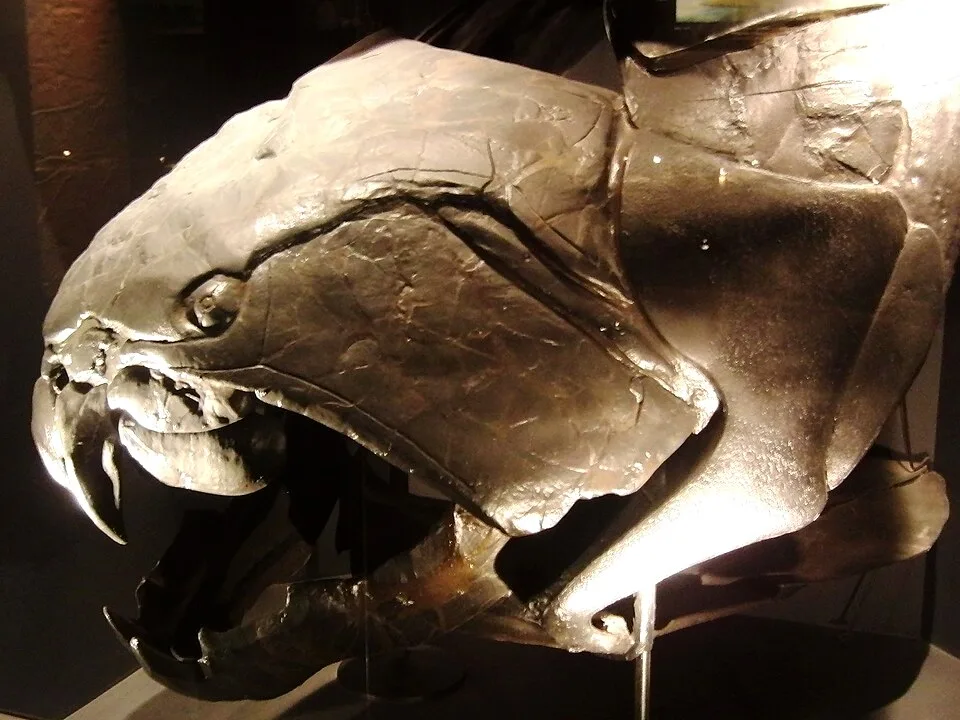
Explore the terrifying marine predators that ruled Earth's ancient oceans for hundreds of millions of years. Expert-written guide covering megalodon, mosasaurs, plesiosaurs, ichthyosaurs, Dunkleosteus, ammonites, trilobites, and Leedsichthys - with fossil evidence, size comparisons, and the science
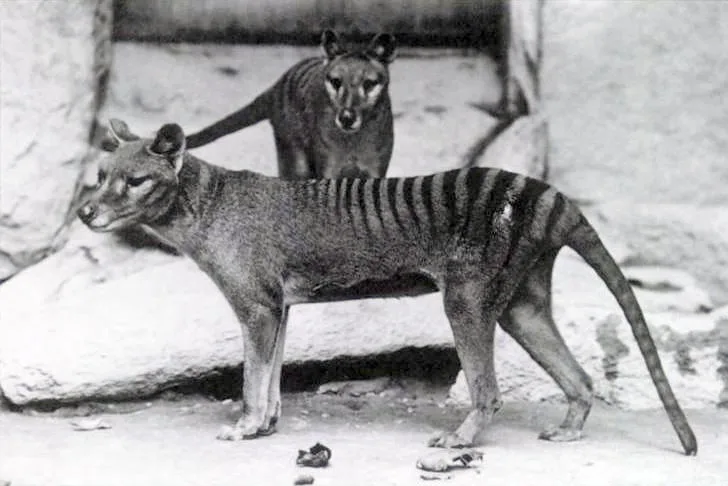
Expert-written guide to recently extinct species including the thylacine, passenger pigeon, baiji dolphin, western black rhino, and golden toad. Covers extinction causes, de-extinction science, and species on the brink today.
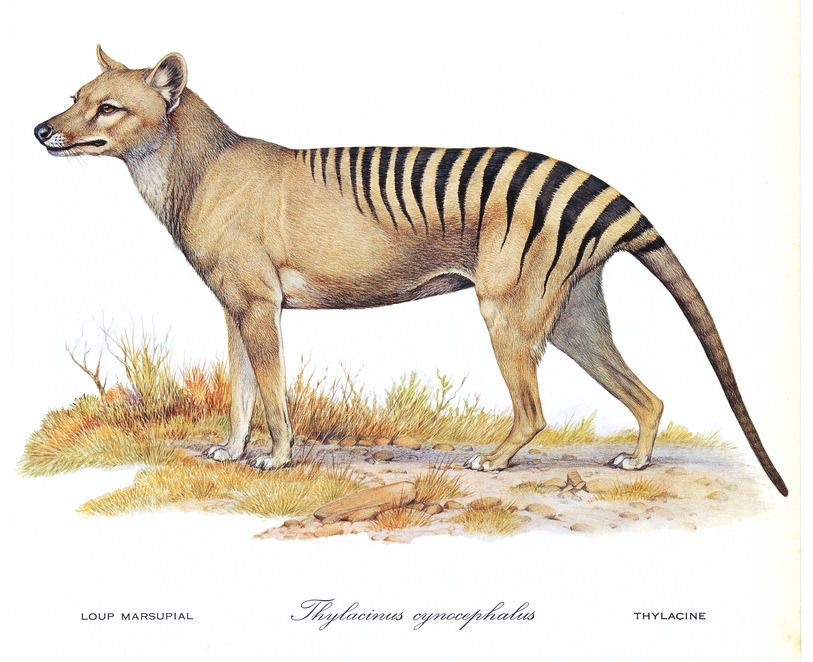
The thylacine or Tasmanian tiger went extinct in 1936. Expert guide to what it was, why it was killed off, and whether genetic de-extinction could bring it back.
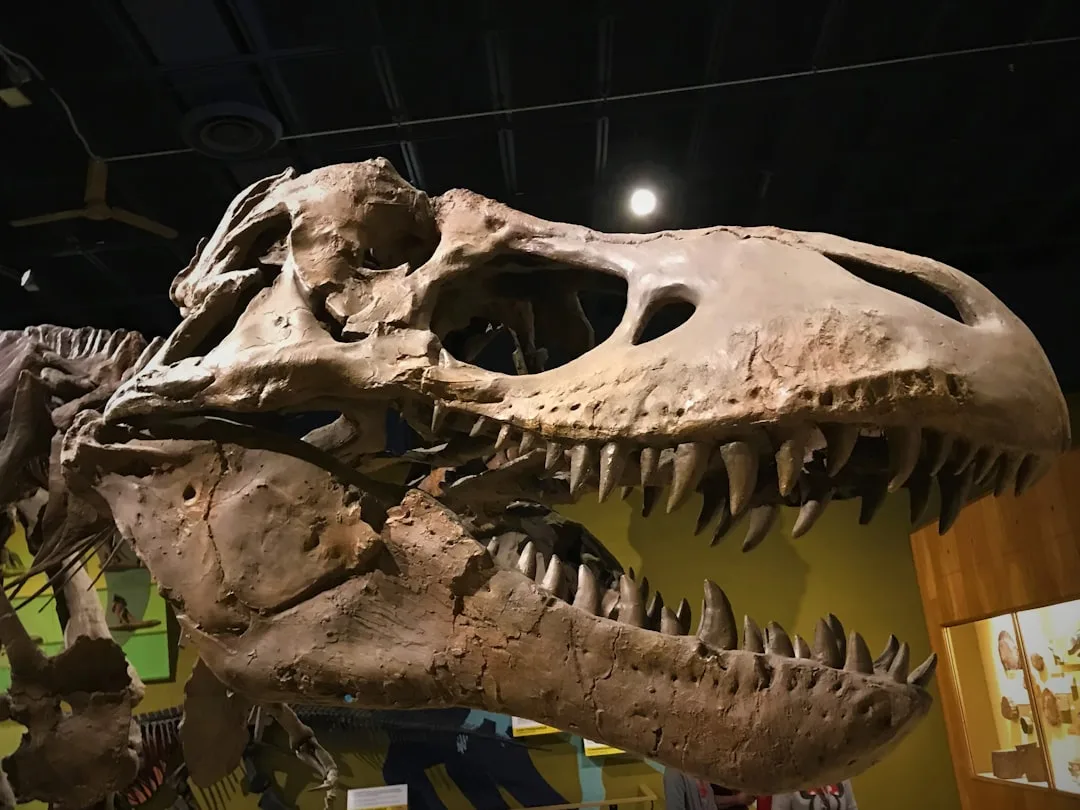
Definitive expert guide to Tyrannosaurus rex with verified biometric data, bite force measurements, sensory biology, growth curves, and the paleontological evidence behind the most famous predator in the history of life.

Everything about the dodo: size, habitat, diet, behaviour, extinction timeline, fossil record, and the strange facts that made Raphus cucullatus the most famous extinct bird in history.
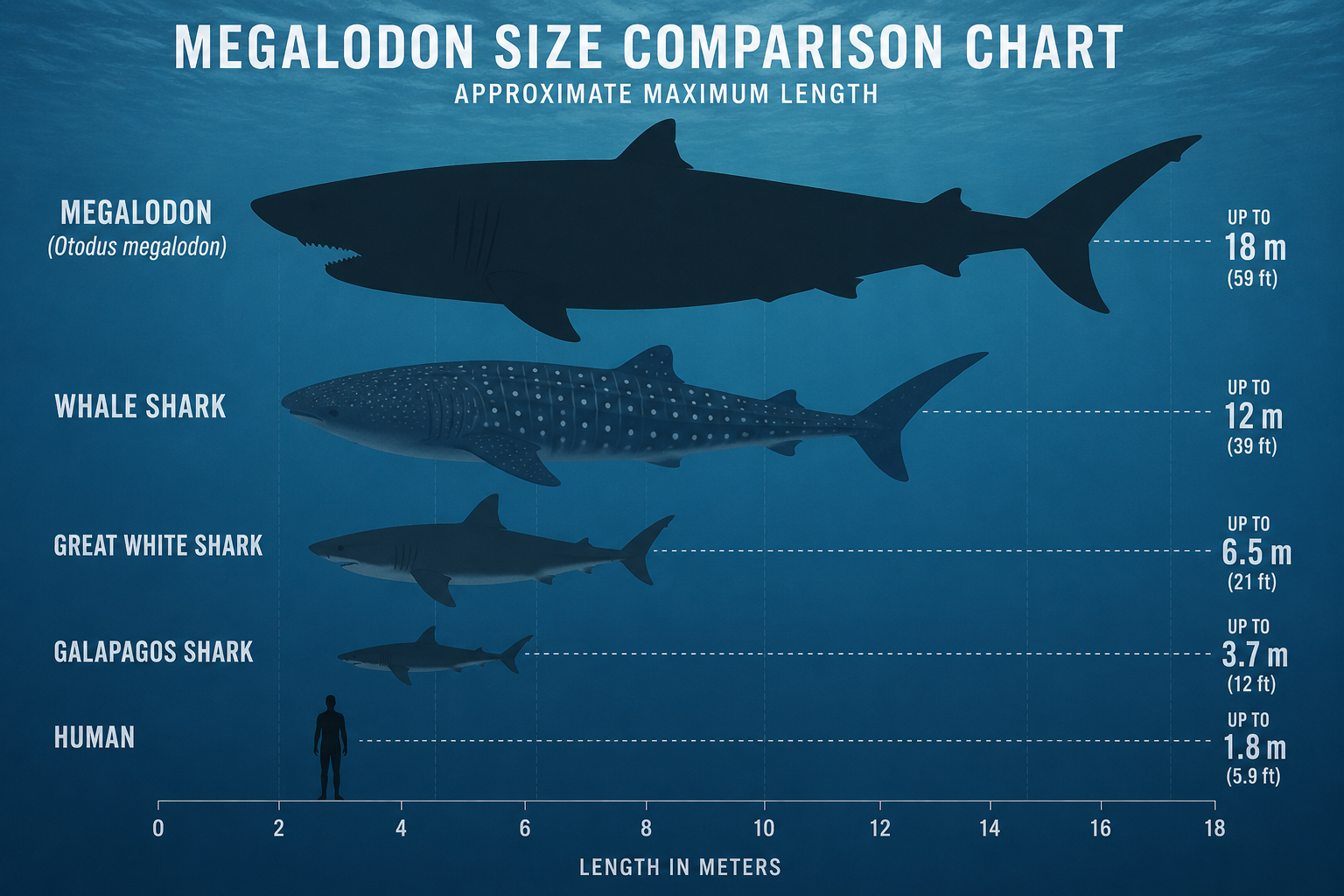
Everything about the megalodon: size, teeth, bite force, habitat, diet, hunting, nursery grounds, extinction, and the strange facts that made Otodus megalodon the largest predatory shark ever to exist.
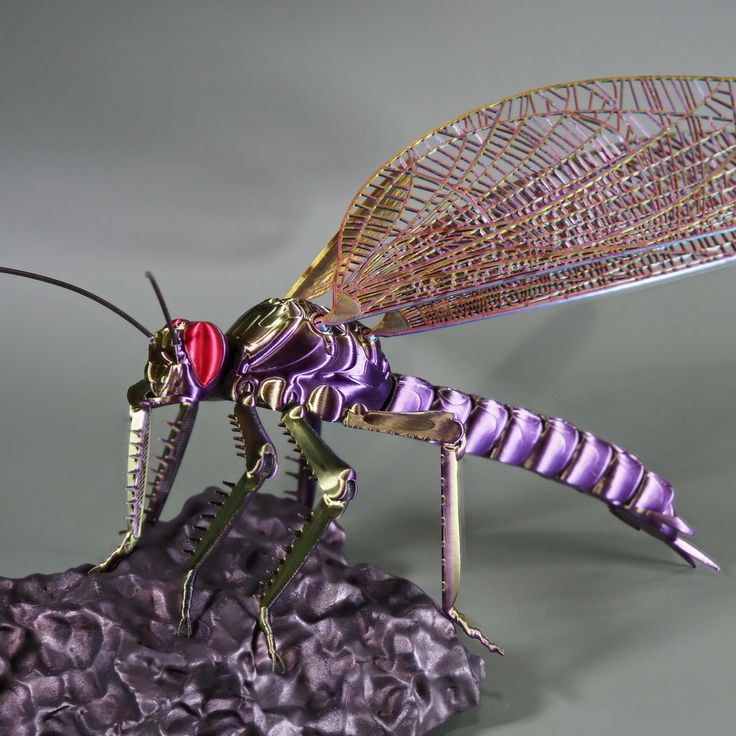
Everything about Meganeura: the 71-centimetre Carboniferous griffinfly that patrolled coal-swamp skies 300 million years ago, its oxygen-fueled gigantism, anatomy, prey, and extinction.
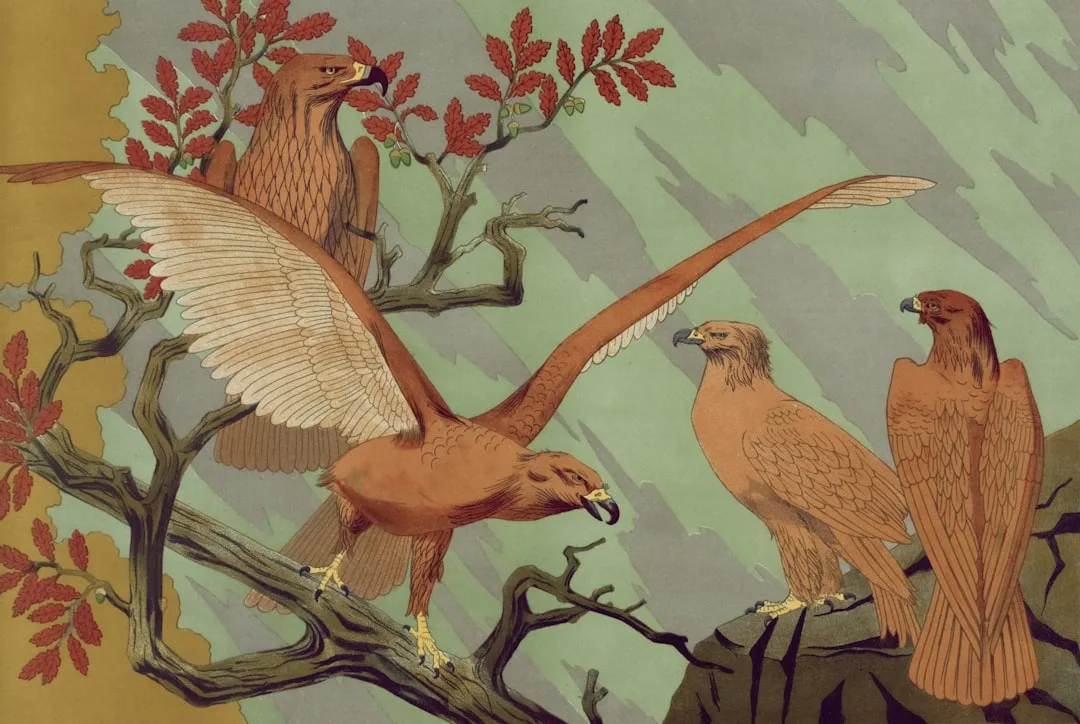
Everything about the terror bird: size, habitat, hunting, skull anatomy, extinction, and the strange facts that made Phorusrhacidae the apex predator of South America for 60 million years.
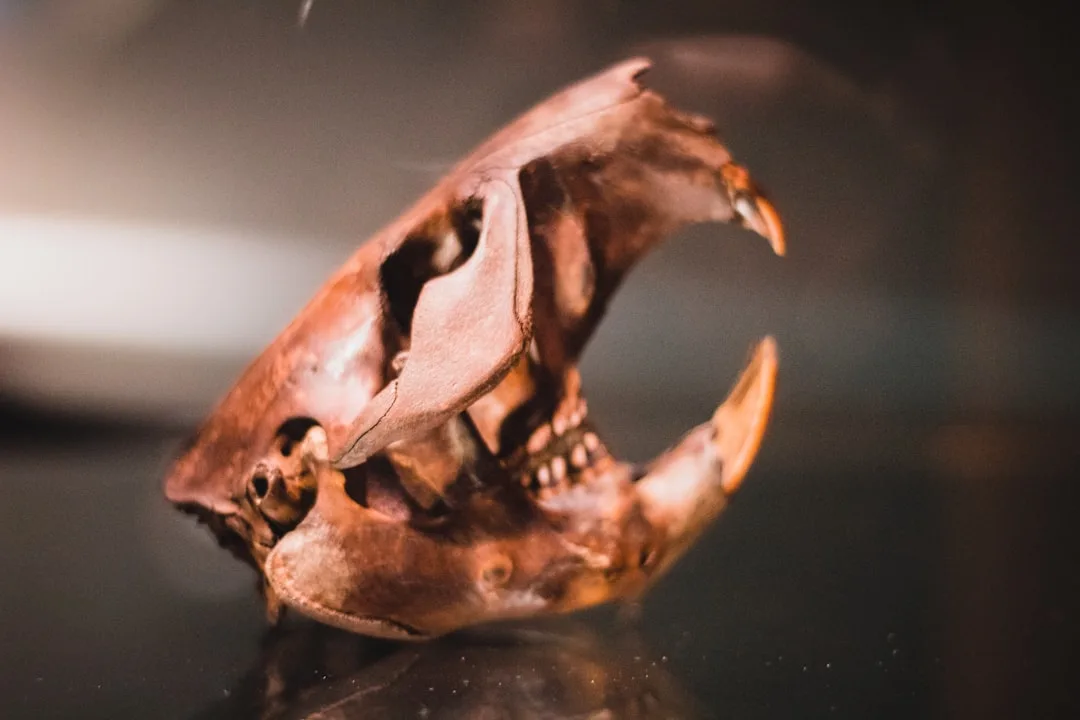
Everything about the sabertooth cat: size, habitat, diet, hunting, extinction, and the strange facts that make Smilodon fatalis the most famous Ice Age predator of the Americas.
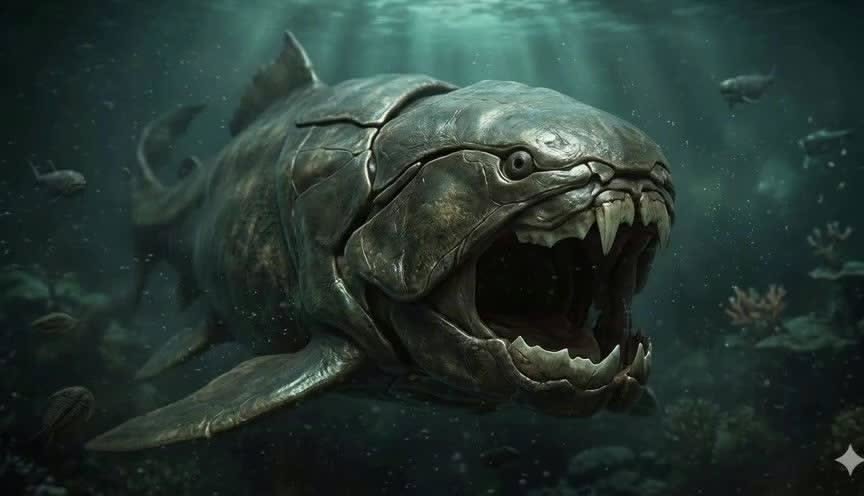
Everything about Dunkleosteus: size, armour, bite force, hunting, evolution, the Late Devonian extinction, and the strange facts that make Dunkleosteus terrelli one of the most formidable predators that ever lived.
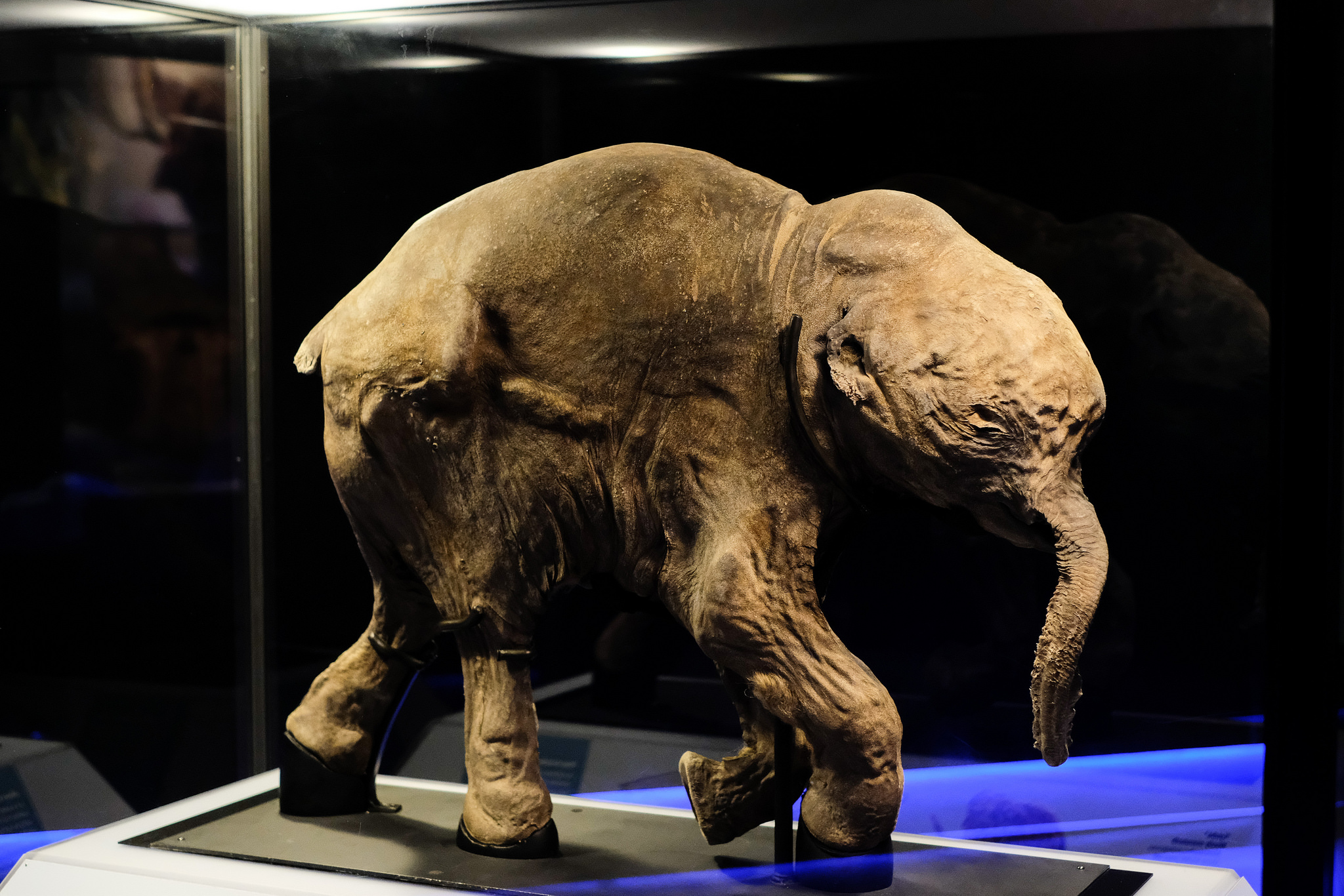
Everything about the woolly mammoth: size, cold adaptations, tusks, mammoth steppe habitat, extinction timeline, permafrost specimens, and de-extinction efforts to revive Mammuthus primigenius.

Everything about Archaeopteryx: the Late Jurassic Urvogel, its dinosaur and bird traits, the Solnhofen fossils, black feather pigmentation, discovery history, and why it remains the most iconic transitional fossil ever found.
The dinosaurs were wiped out approximately 66 million years ago by a massive asteroid impact near what is now the Yucatan Peninsula in Mexico. The Chicxulub impactor triggered catastrophic environmental changes including massive wildfires, a prolonged impact winter caused by dust and soot blocking sunlight, acid rain, and the collapse of food chains.
Ongoing volcanic activity from the Deccan Traps may have already been stressing ecosystems before the impact delivered the final blow. About 75% of all species on Earth went extinct during this event, known as the Cretaceous-Paleogene extinction.
De-extinction is an active area of scientific research, but the reality is more nuanced than headlines suggest. For recently extinct species with well-preserved DNA, scientists are exploring techniques including cloning, selective back-breeding, and CRISPR gene editing. However, true de-extinction of ancient species like non-avian dinosaurs remains impossible because DNA degrades completely after roughly 6-7 million years.
Ethical and ecological questions also remain: where would resurrected species live, and could they survive in modern ecosystems?
The largest dinosaurs were the titanosaur sauropods of the Late Cretaceous period. Argentinosaurus is among the strongest candidates, estimated at 30-40 meters long and weighing 65-80 tonnes. Patagotitan mayorum, described in 2017, measured approximately 37 meters long and weighed around 69 tonnes based on more complete fossil evidence.
Exact measurements remain debated because most giant sauropods are known from incomplete skeletons, and size estimates depend on which bones were preserved and the scaling methods used.
The extinction of Ice Age megafauna, including woolly mammoths, saber-toothed cats, and giant ground sloths, resulted from a combination of rapid climate change and human hunting pressure. As the last glacial period ended roughly 10,000-12,000 years ago, warming temperatures transformed habitats that large cold-adapted animals depended on. The timing of megafauna extinctions closely tracks human arrival on each continent.
Most researchers now favor a synergy model where climate stress made populations vulnerable and human hunting delivered the final blow.
Yes, species are currently going extinct at 100 to 1,000 times the natural background rate, leading many researchers to describe the current era as the sixth mass extinction. The IUCN Red List documents thousands of critically endangered species at immediate risk, including the vaquita porpoise, the Sumatran rhinoceros, and numerous amphibian species devastated by chytrid fungus.
Major drivers include habitat destruction, climate change, pollution, invasive species, and overexploitation.
Among officially declared extinctions, the Bramble Cay melomys, a small rodent from a tiny Australian island, was declared extinct in 2019 and is considered the first mammal driven to extinction primarily by climate change as rising seas destroyed its habitat. The Spix's macaw was declared extinct in the wild in 2000, though captive breeding programs continue.
However, many species likely go extinct before scientists even document them, particularly insects, deep-sea organisms, and tropical forest species in rapidly deforested regions.
Scientists reconstruct dinosaur appearance through multiple lines of fossil evidence. Skeletal anatomy provides the basic body shape, size, and posture. Fossilized skin impressions reveal scale patterns and texture. Remarkably preserved specimens have shown feather impressions, and melanosomes preserved in some fossils have enabled researchers to determine actual colors of certain dinosaurs.
Muscle attachment scars on bones indicate musculature, while CT scanning of skulls reveals brain shape and sensory capabilities. Comparisons with living relatives, particularly birds and crocodilians, help fill remaining gaps.